
Closing the Gap Between Data and Action
For forward-thinking organizations, improving Indoor Air Quality (IAQ) is a strategic priority. IAQ directly affects health, productivity, comfort, and employee satisfaction. As the workforce becomes more health-conscious and competition for talent rises, ignoring IAQ is no longer an option.
Facilities and building managers play a central role in improving IAQ, but having data alone is not enough — many organizations struggle to convert insights into meaningful actions.
Do You Have the Right Data?
Continuous Monitoring vs Spot Testing
-
Spot testing: periodic sampling, often performed by third parties
-
Continuous monitoring: real-time data collection through fixed devices
Continuous monitoring provides better accuracy and faster reactions.
Key IAQ Parameters
-
PM2.5 / PM10
-
TVOC
-
CO₂
-
Temperature & humidity
Sensor Calibration
Sensors degrade over time, requiring regular recalibration.
Connectivity & Data Flow
A modern IAQ system should support Wi-Fi/Ethernet, cloud data access, and BAS (BACnet) integration.
10 Ways to Use IAQ Data
01. Evaluate Air Filter Performance
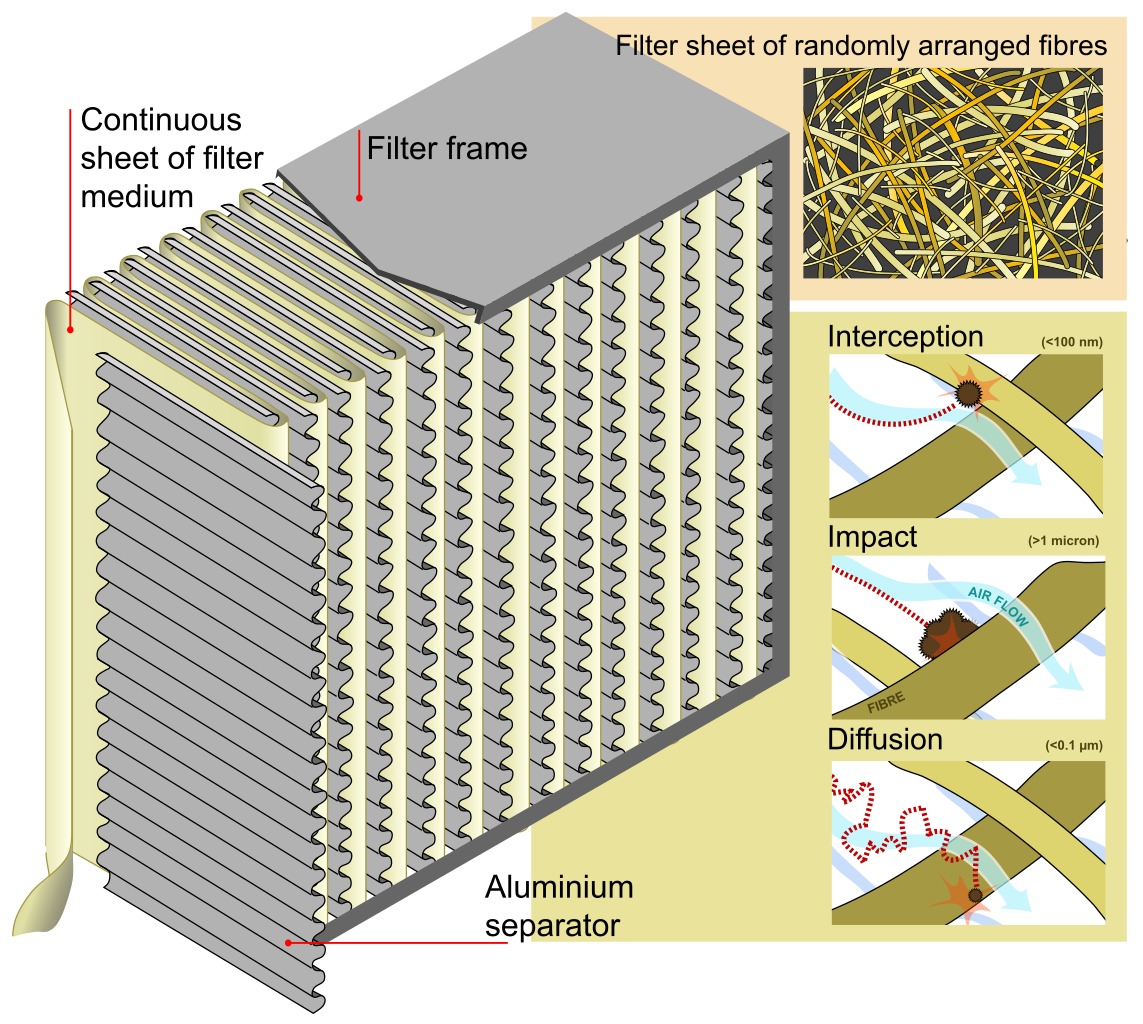
Use PM data to detect clogged or degraded filters:
-
High PM → replace filter
-
Consistently low PM → use lower MERV filters to save energy
02. Identify Toxic Material Sources (VOC Emitters)
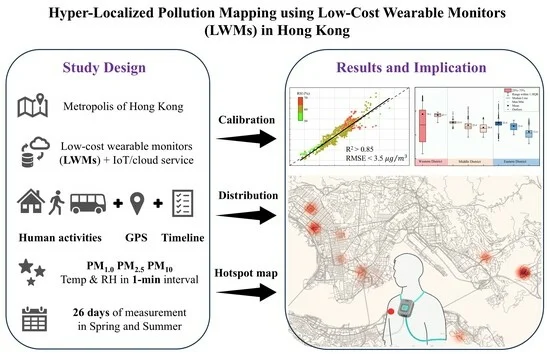
Compare TVOC levels across areas to find hotspots.
Once identified, replace, isolate, or remove the VOC-emitting material.
03. Improve Ventilation Efficiency with CO₂ (DCV)
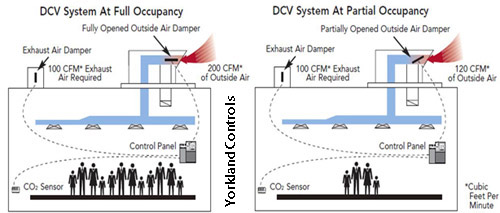
Real-time CO₂ levels can automate ventilation adjustments based on actual occupancy, reducing energy waste.
04. Adjust Ventilation Based on Outdoor Air Quality
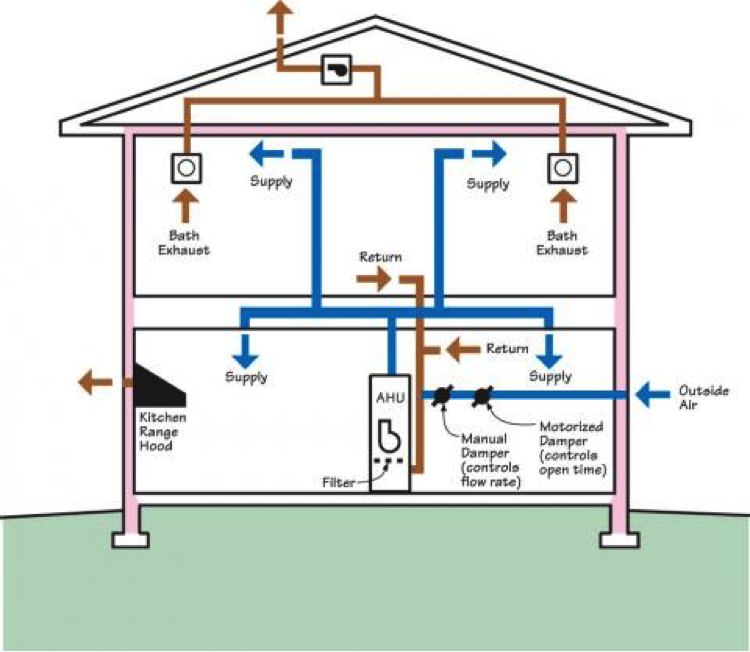
During polluted outdoor conditions, reduce ventilation intake to prevent dirty air from entering the building.
05. Improve Office Experience by Reducing CO₂ in Meeting Rooms
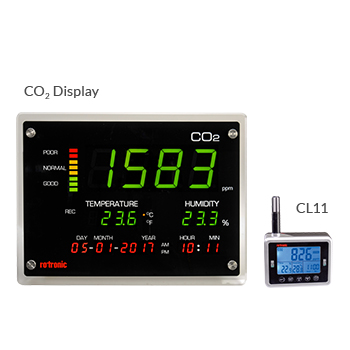
High CO₂ causes fatigue, headaches, and reduced cognitive performance.
Display CO₂ readings and optimize ventilation.
06. Optimize Cleaning Schedules
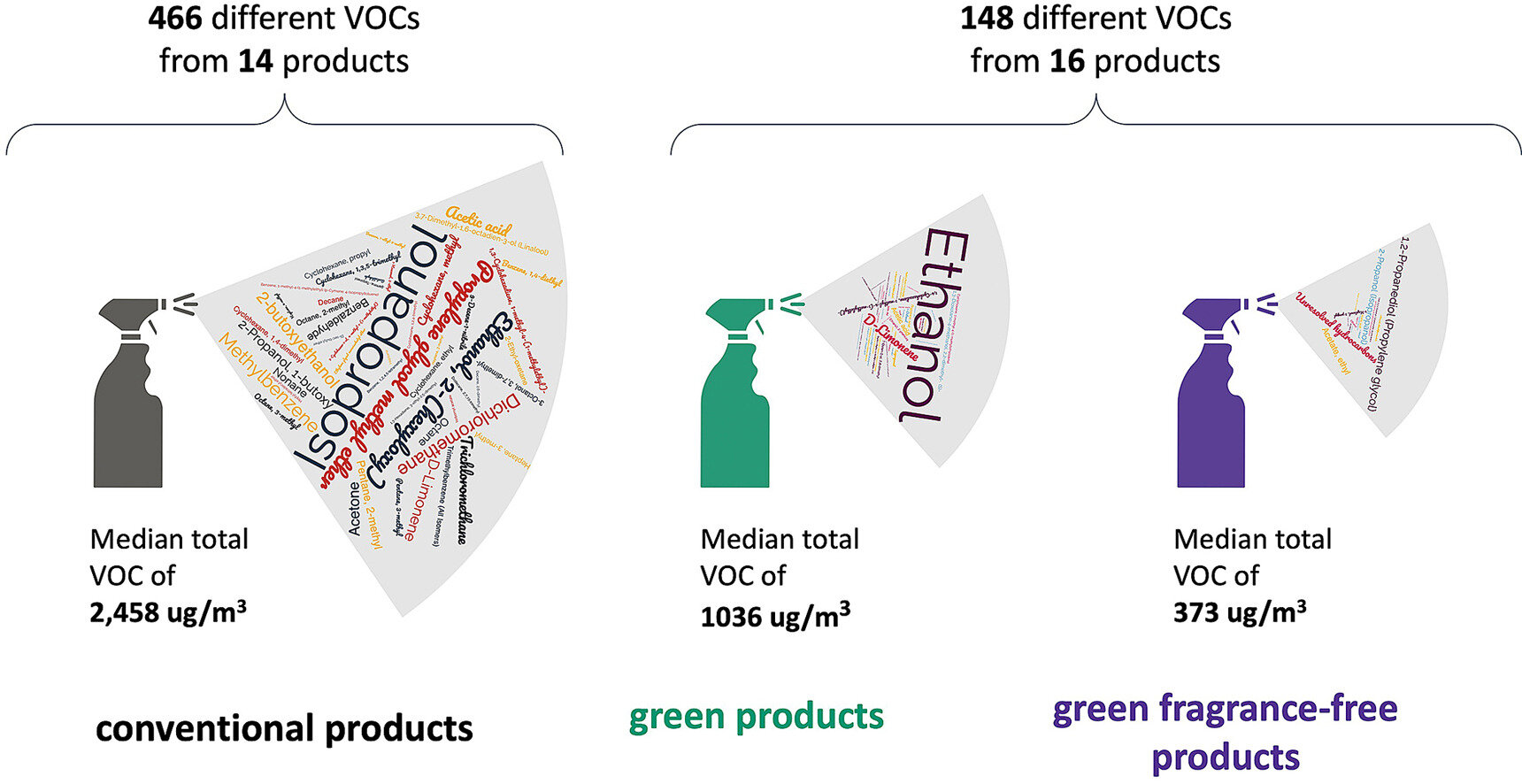
Cleaning activities can increase PM and VOC.
Move cleaning to non-occupied hours based on data insights.
07. Increase Confidence for Returning to Office
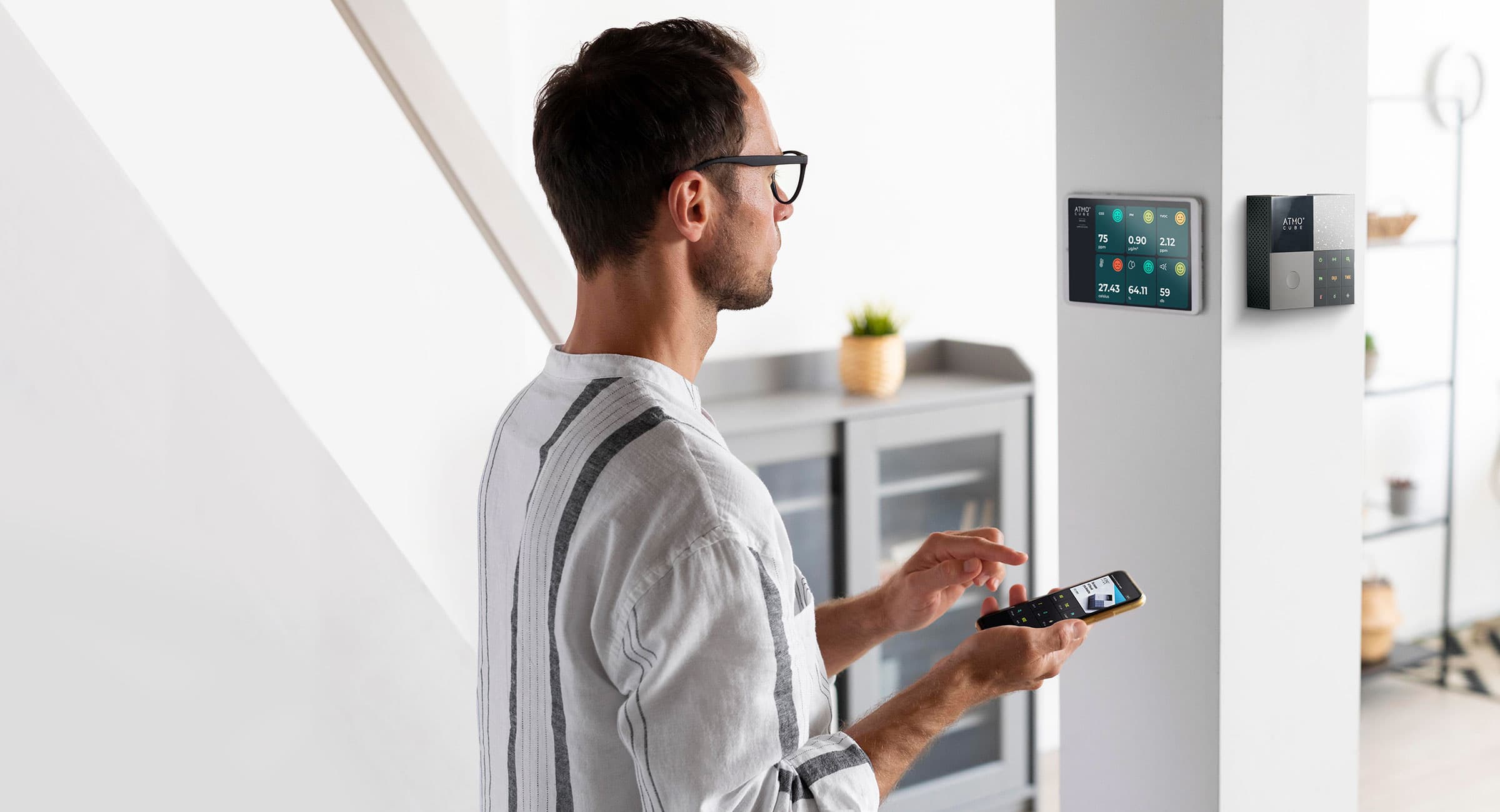
Displaying real-time IAQ dashboards in public areas helps build trust and transparency.
08. Support WELL / RESET / LEED and Other Certifications
Continuous IAQ monitoring helps earn points toward building health certifications.
09. Win the War for Talent
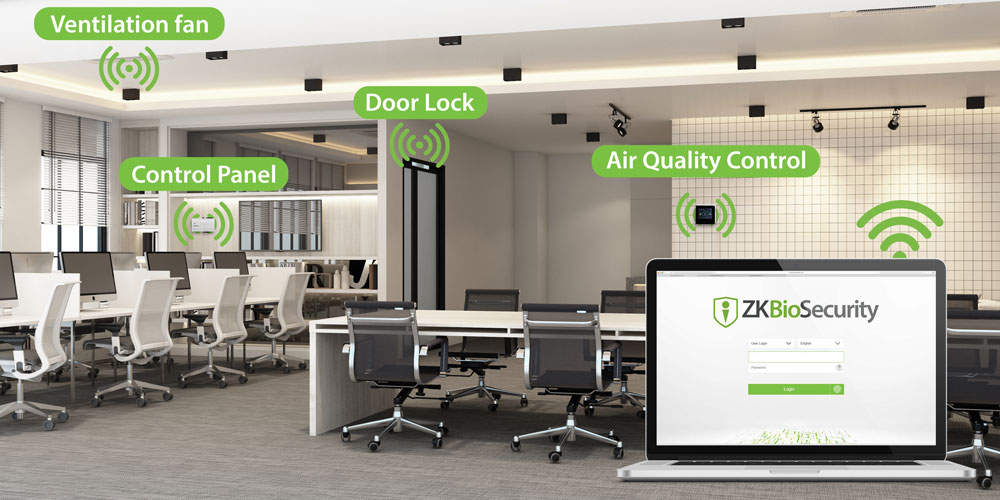
82% of millennials feel safer returning to work when real-time IAQ data is available.
Sharing IAQ data strengthens employer branding.
10. Improve ESG and Corporate Reporting
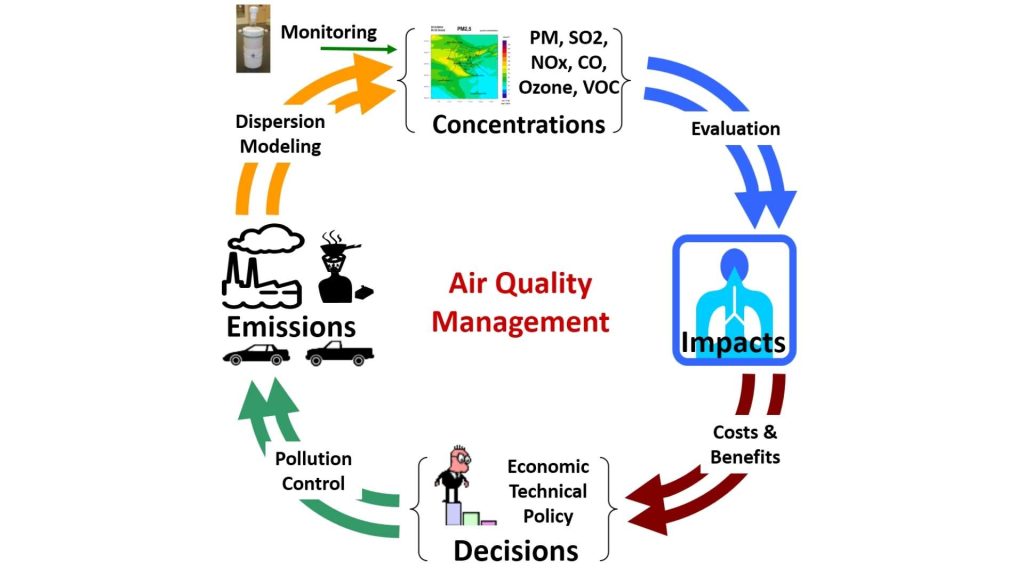
IAQ data provides a quantifiable metric to include in ESG, sustainability, CSR, and shareholder reports.
What to Look for in a Commercial IAQ Monitor
-
Easy recalibration (modular design)
-
Compliance with WELL/RESET requirements
-
Ability to measure critical pollutants (PM, TVOC, CO₂)
-
Flexible data visualization and storage
-
Integration with BAS/BACnet for automation
Tags


Related news
How is a thermal comfort CFD project carried out?
An effective CFD analysis is not simply about running a simulation. It requires a clear workflow closely aligned with HVAC...
View detail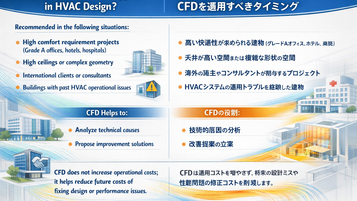
When Should CFD Be Applied in HVAC Design?
Not every project requires CFD (Computational Fluid Dynamics) analysis.However, CFD is highly recommended in the following situations: Projects with high...
View detail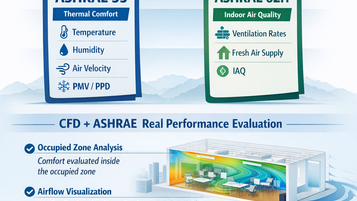
Why ASHRAE 55 & 62.1 Matter in HVAC Comfort Evaluation
In Vietnam, HVAC design is required to comply with national standards such as ASHRAE, QCVN, and TCVN. However, current Vietnamese...
View detail