

Sounds like a great way to learn about improving indoor air quality! Let's take a virtual tour of the IAQ house:
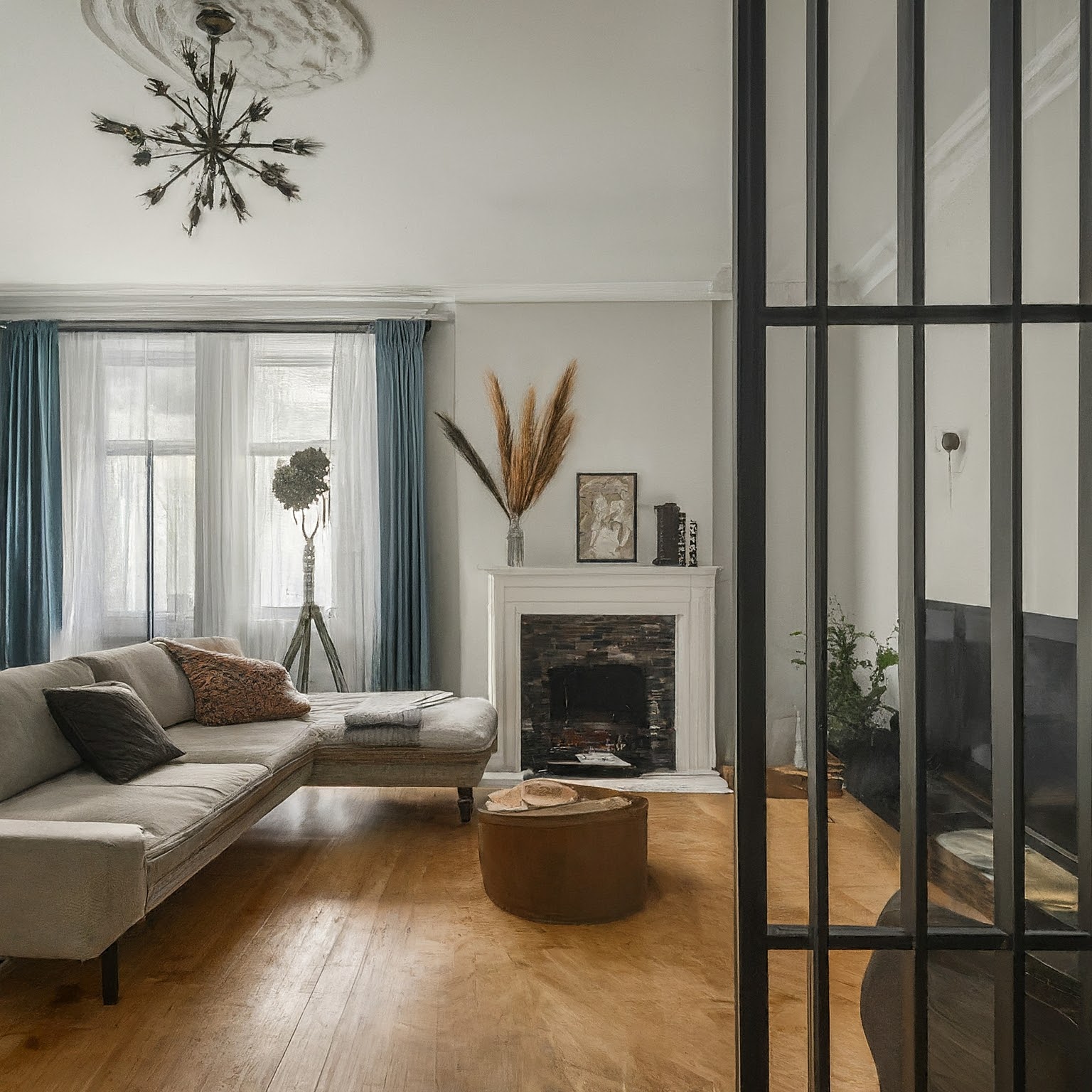
Living Room: Common pollutants here might be dust mites, pet dander, and volatile organic compounds (VOCs) from furniture or cleaning products. Solutions could include regular vacuuming, allergen-proof covers for bedding, and using natural cleaning products.
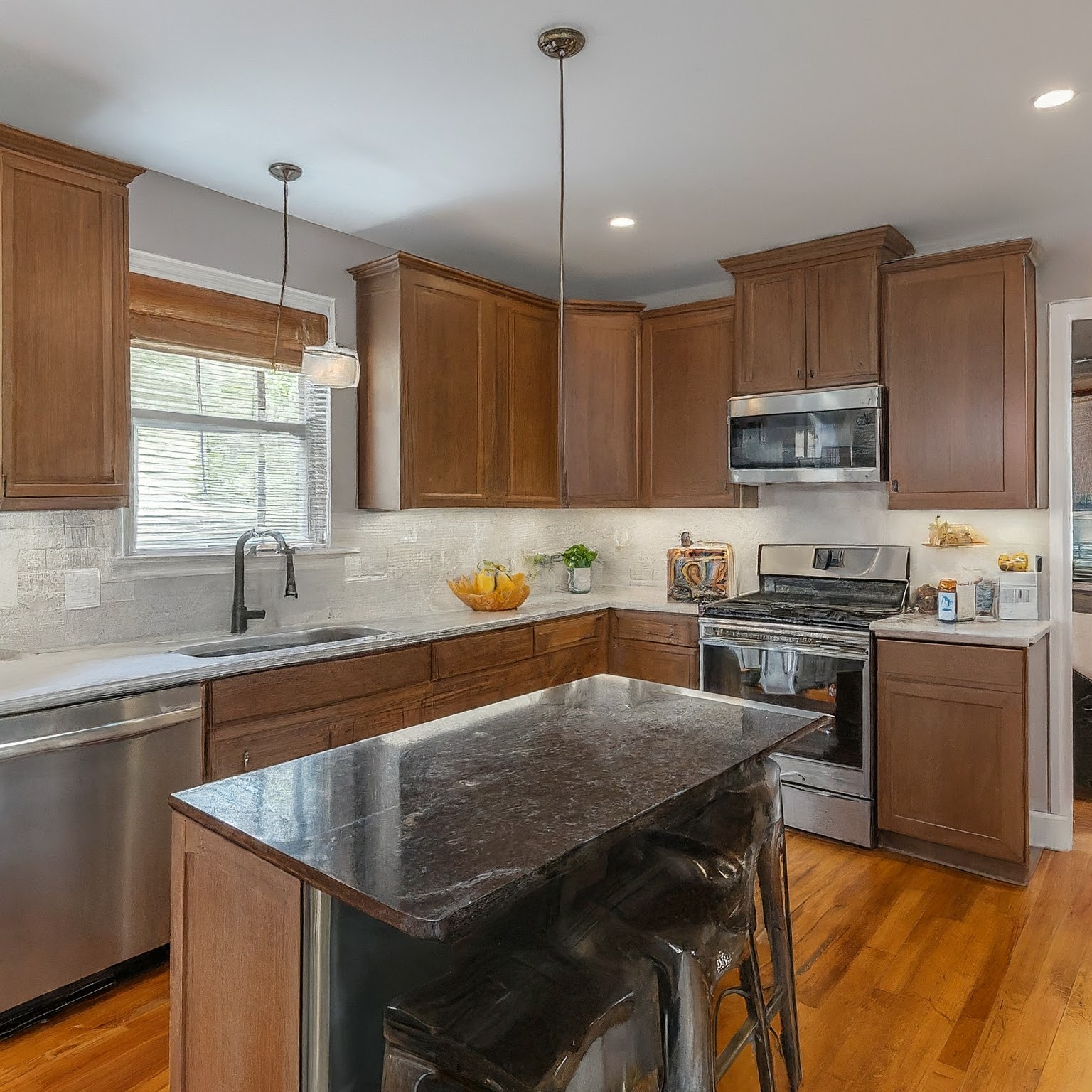
Kitchen: Cooking can release grease, smoke, and moisture. The IAQ house might recommend using the exhaust fan while cooking and keeping humidity levels in check to prevent mold growth.
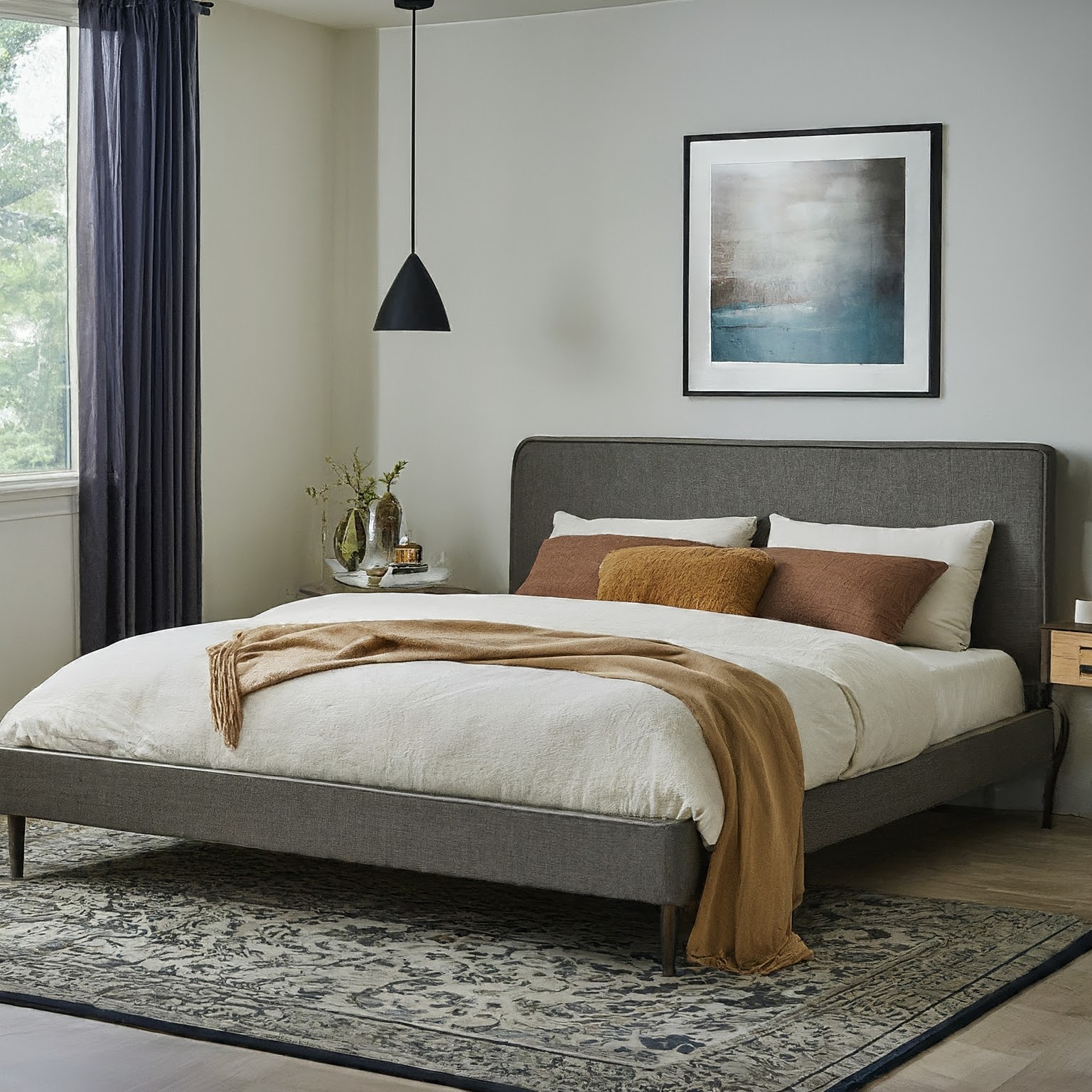
Bedroom: This is where we spend a significant amount of time breathing in dust mites and allergens. The tour might recommend washing bedding in hot water, using allergen-proof covers, and maintaining good ventilation.
Bathroom: Mold and mildew can thrive in damp environments. The IAQ house might show you how to improve ventilation in the bathroom, perhaps by installing an exhaust fan or opening a window after showering.

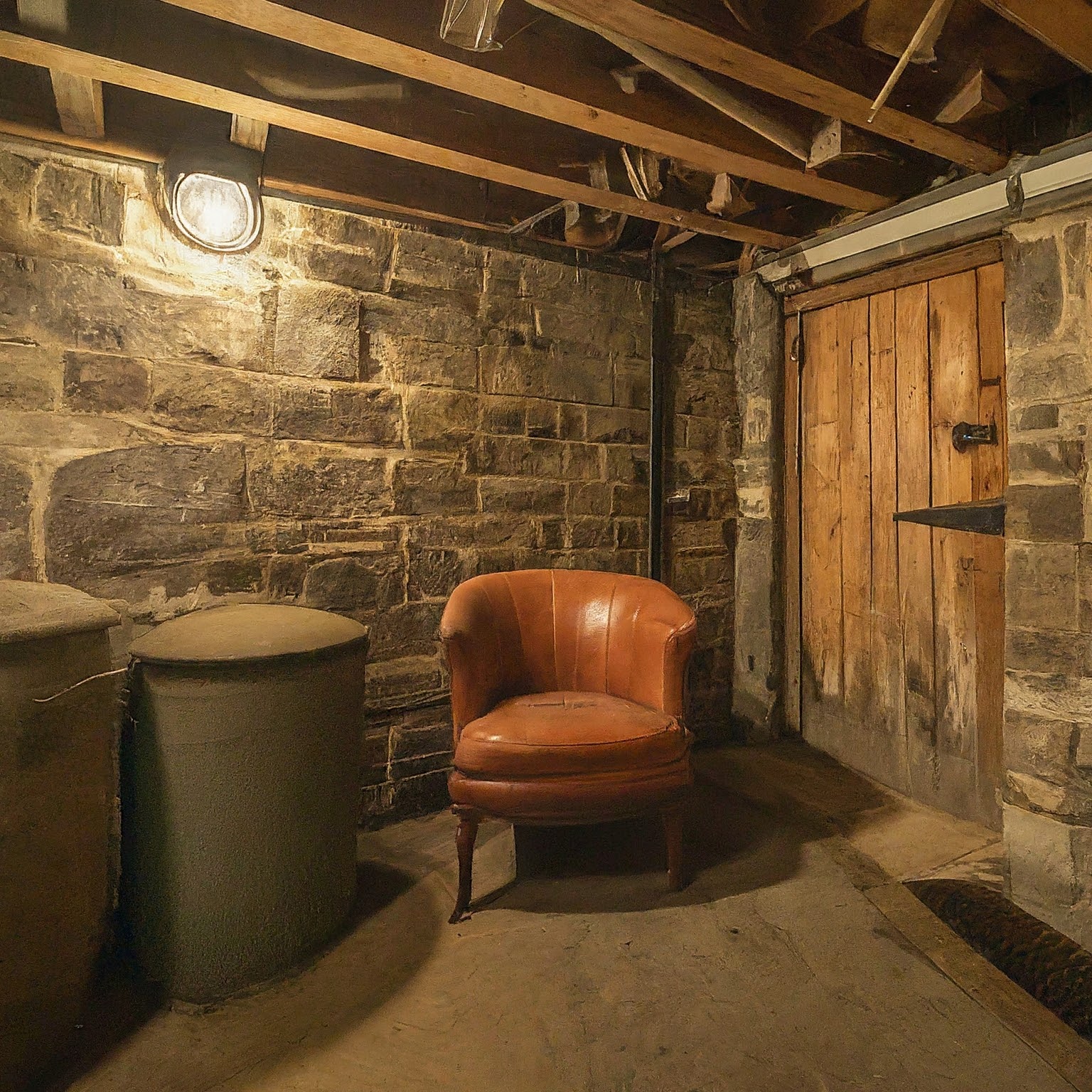
Basement: This area can trap moisture, radon gas (a health hazard), and pollutants from the soil. The tour might recommend ensuring proper ventilation and sealing cracks to prevent radon gas from entering the living space. Radon testing might also be a recommendation.
This is just a brief glimpse. The IAQ house would likely have many more tips for each room and specific recommendations based on the types of pollutants commonly found in each area.
Tags


Related news
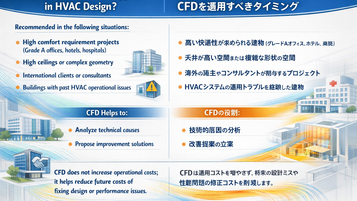
When Should CFD Be Applied in HVAC Design?
Not every project requires CFD (Computational Fluid Dynamics) analysis.However, CFD is highly recommended in the following situations: Projects with high...
View detail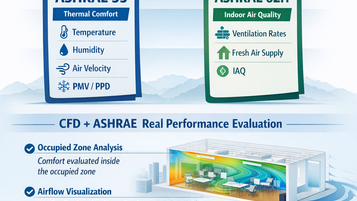
Why ASHRAE 55 & 62.1 Matter in HVAC Comfort Evaluation
In Vietnam, HVAC design is required to comply with national standards such as ASHRAE, QCVN, and TCVN. However, current Vietnamese...
View detail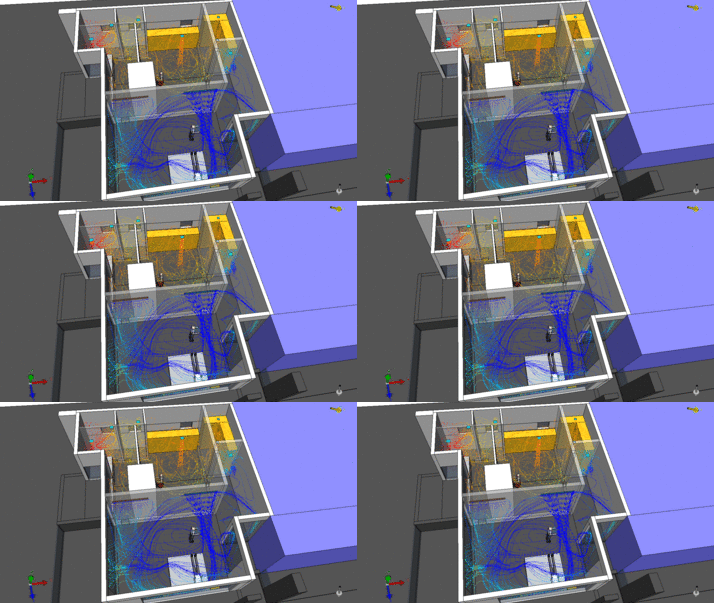
CFD in HVAC: Engineering Tool or Just Visualization?
Many people believe that CFD is used only to: Create colorful images for reports Provide visual illustrations for clients In...
View detail