
We Can Survive
- Weeks without food.
- Days without water.
- But only minutes without air.
Health Starts with Air
- Air quality directly affects our health.
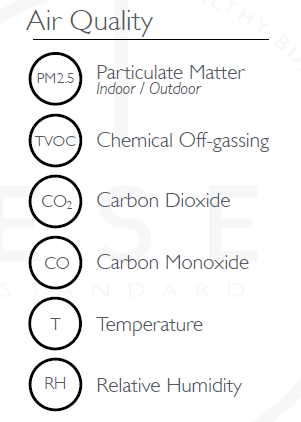
- Important parameters include: PM2.5, TVOC, CO2, CO, Temperature, and Humidity.
The Dangers of PM2.5
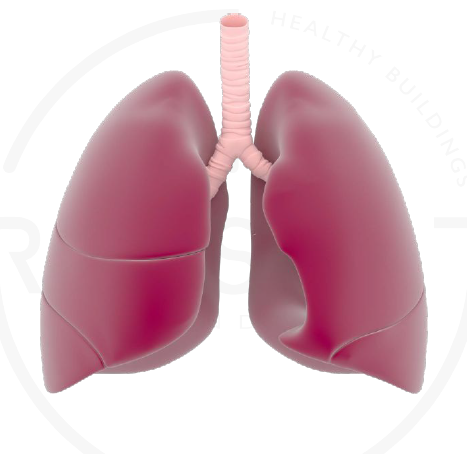
- PM2.5 are ultrafine dust particles that can penetrate deep into the lungs, causing respiratory diseases such as bronchitis and lung cancer.
- Long-term exposure to high levels of PM2.5 is dangerous.
The Effects of CO2
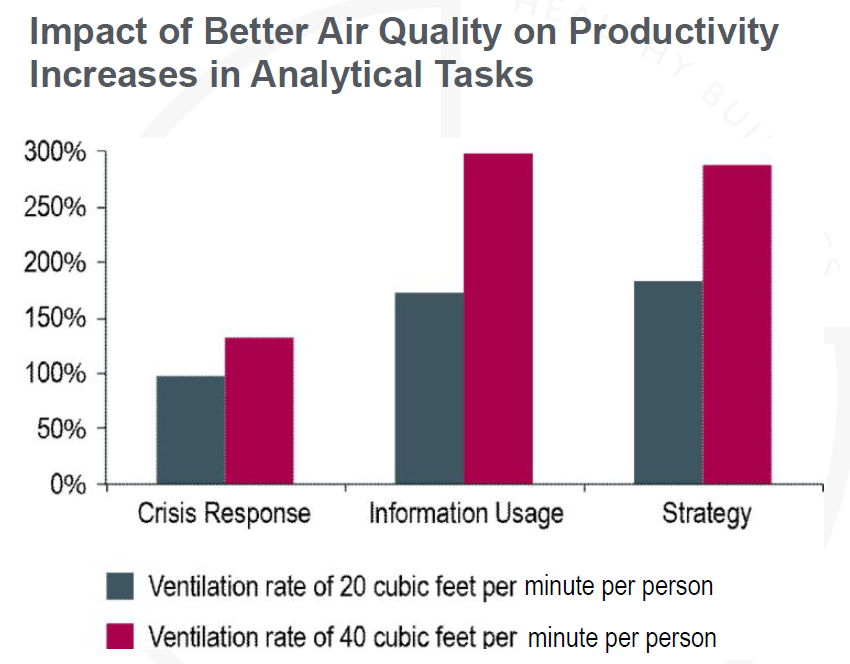
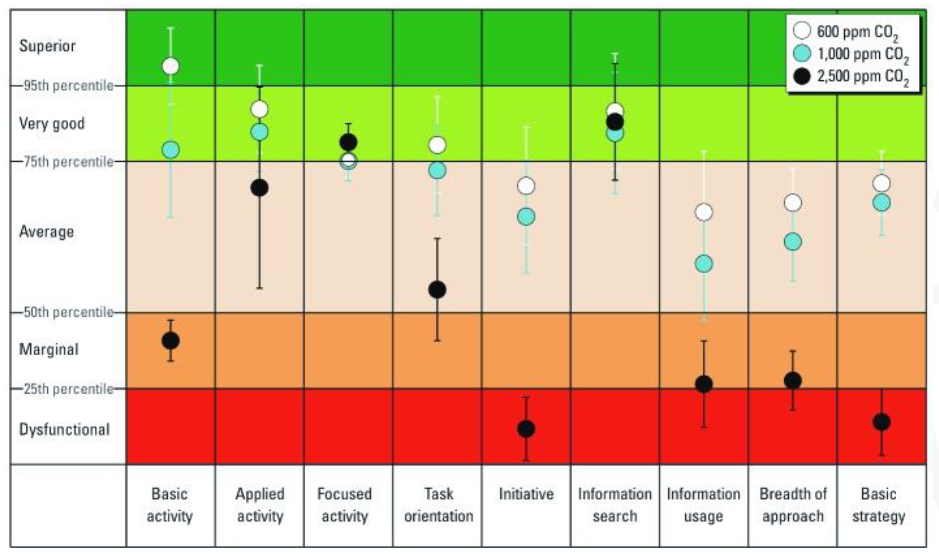
- CO2 affects human productivity and decision-making ability.
- High CO2 levels in the home can cause headaches, nausea, and difficulty concentrating.
- CO2 levels in the home should be kept below 600 ppm to ensure health and work performance.
TVOC
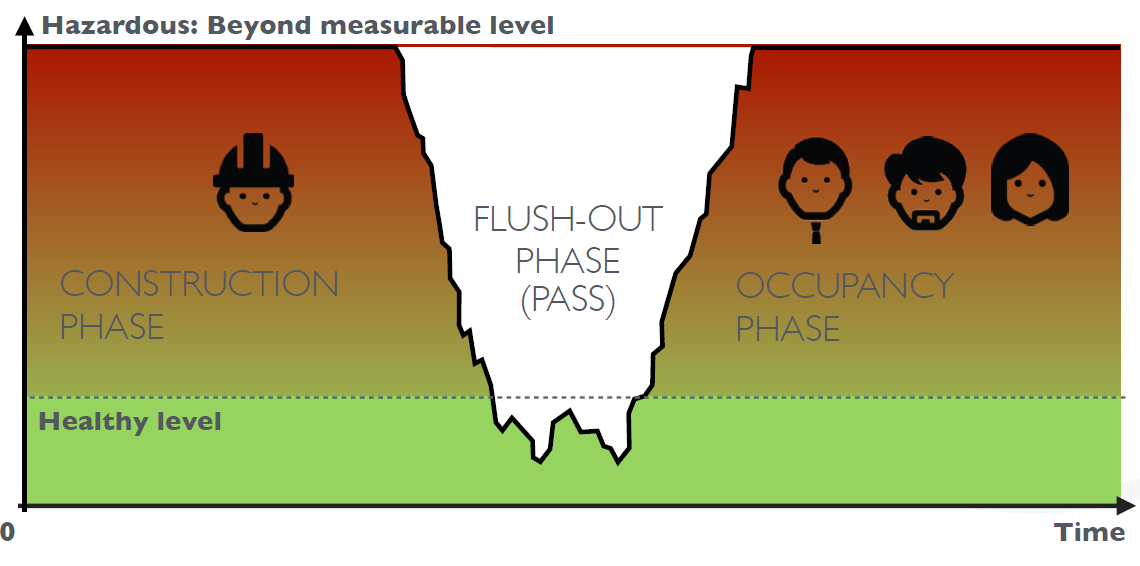
- TVOC is the total volatile organic compound, which can be harmful to health, causing headaches, eye irritation, and throat irritation.
- TVOC often comes from building materials and furniture.
- TVOC levels in the home should be monitored and controlled to ensure safety.
- It is important to note that while certain VOCs can negatively affect health, productivity, or both, others are benign. Therefore TVOC is not primarily a health metric but rather a chemical hygiene metric. High TVOC levels in a space indicates that there may be a problem with a specific VOC of concern and that further investigation is required.
The Dangers of CO
- CO is a toxic gas, colorless and odorless, that can be fatal if inhaled in large amounts.
- CO is often caused by the incomplete combustion of fossil fuels.
- Proper ventilation and CO gas leak checks are necessary in the home to avoid danger.
Indoor Air Quality
- Indoor air quality directly affects our health.
- Monitoring and controlling indoor air quality parameters is essential to ensure safety.
- SAO-EE provides air quality monitoring solutions to help you protect your health and the health of your family.
Tags
Share:


